Fork me on GitHub

链表的基本操作

链表

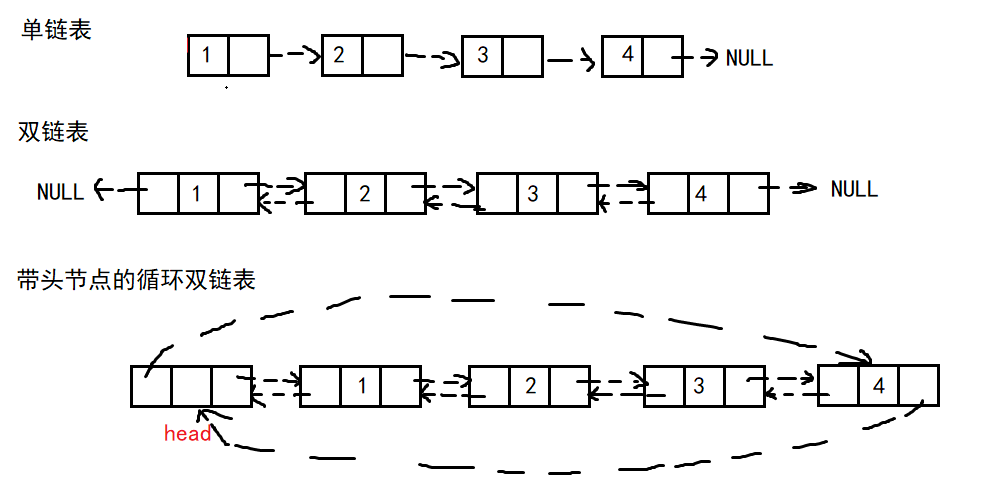
本文中主要分析以下几个链表:

不带头节点的单链表、带头节点的双向循环链表

链表:一种链式存储的线性表,用一组地址任意的存储单元存放线性表的数据元素,称存储单元为一个节点
链表分类

1.单/双链表

2.带/不带头节点

3.循环/不循环链表
avatar

单链表

基本操作:初始化、销毁、插、删、查

在删除和插入中分:头删/插、尾删/插、正常删/插

  • 定义结构体
1
2
3
4
5
6
7
typedef int DataType;

typedef struct ListNode
{
DataType data;
struct ListNode* next;
} ListNode;
  • 初始化
1
2
3
4
5
void ListInit(ListNode **ppfirst)
{
assert(*ppfirst!=NULL);
*ppfirst = NULL;
}
  • 销毁
1
2
3
4
5
6
7
8
9
10
void DestroyList(ListNode **ppfirst)
{
ListNode *next = *ppfirst;
for(ListNode *cur = *ppfirst;cur!=NULL;cur = next)
{
next = cur->next;
free(cur);
}
*ppfirst = NULL;
}
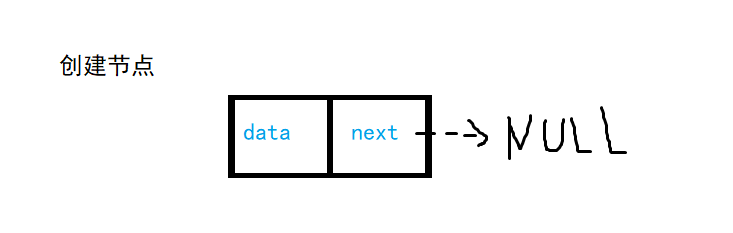
  • 创建节点

avatar

1
2
3
4
5
6
7
8
9
ListNode* CreatNode(DateType data)
{
ListNode* newnode = (ListNode*)malloc(sizeof(ListNode));
assert(newnode);
node->data = data;
node->next = NULL;

return newnode;
}
  • 插入
分析

正常情况:从堆上申请空间,更改ppfirst的值

特殊情况:*ppfirst == NULL

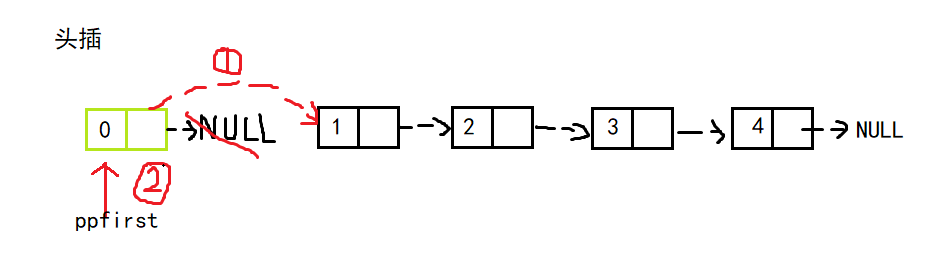
  • 头插

avatar

1
2
3
4
5
6
7
8
void ListPushFront(ListNode **ppfirst, DataType data)
{
assert(ppfirst != NULL);
ListNode* node = CreatNode(data);
node->next = *ppfirst;

*ppfirst = node;
}
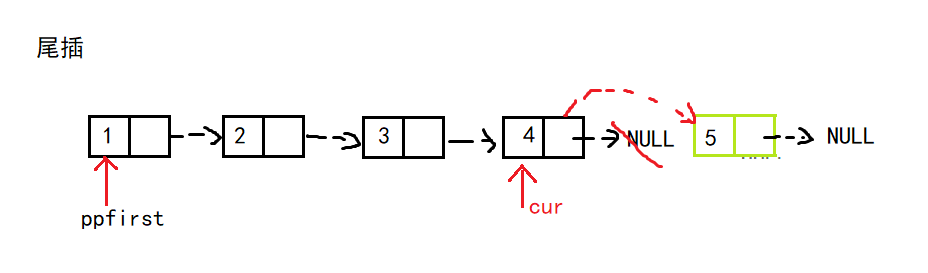
  • 尾插(遍历链表)

avatar

1
2
3
4
5
6
7
8
9
10
11
12
13
14
15
16
17
void ListPushBack(ListNode **ppfirst, DataType data)
{
ListNode* node = CreatNode(data);
//特殊情况 链表为空
if(*ppfirst == NULL)
{
*ppfirst = node;
return;
}
//正常情况
ListNode *cur = *ppfirst;
while(cur != NULL)
{
cur = cur->next;
}
cur->next = node;
}
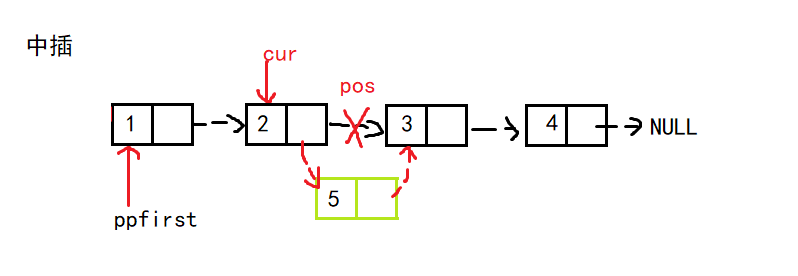
  • 正常插入(中插)
分析
  1. 如果要插入的位置是第一个节点—>调用头插
  2. 找到要插入的位置的前一个节点,插入

avatar

1
2
3
4
5
6
7
8
9
10
11
12
13
14
15
16
17
18
void ListInsert(ListNode **ppfirst, ListNode *pos, DataType data)
{
//pos是第一个节点
if(*ppfirst == pos)
{
ListPushFront(ppfirst,data);
return;
}
//找到pos前一个节点
ListNode *cur = *ppfirst;
while(cur->next != pos)
{
cur = cur->next;
}
ListNode *node = CreatNode(data);
node->next = cur->next;
cur->next = node;
}
  • [ ] 删除

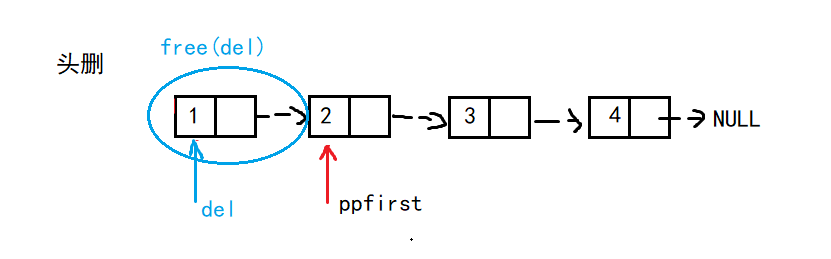
  • 头删

分析
  1. 变量地址不为空
  2. 不能为空链表

avatar

1
2
3
4
5
6
7
8
void ListPopFront(ListNode **ppfirst)
{
assert(ppfirst != NULL);
assert(*ppfirst != NULL);
ListNode *del = *ppfirst;
*ppfirst = del->next;
free(del);
}
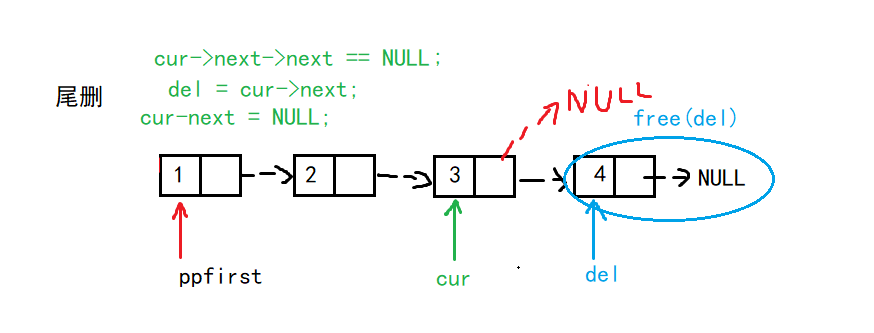
  • 尾删
分析
  1. cur->next->next == NULL
  2. 特殊:只有一个节点

avatar

1
2
3
4
5
6
7
8
9
10
11
12
13
14
15
16
17
18
19
20
21
void ListPopBack(ListNode **ppfirst)
{
assert(ppfirst != NULL);
assert(*ppfirst != NULL);
//只有一个节点
if((*ppfirst)->next == NULL)
{
free(*ppfirst);
*ppfirst = NULL;
return;
}
ListNode *cur = *ppfirst;
ListNode *del;
while(cur->next->next != NULL);
{
cur = cur->next;
}
del = cur->next;
cur->next = NULL;
free(del);
}
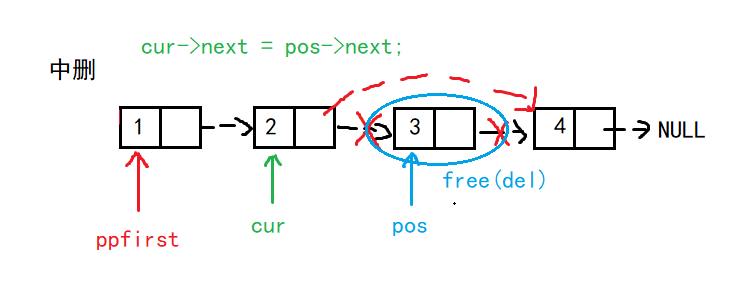
  • 正常删除(中删)
分析
  1. 当要删除的是第一个节点时—>头删
  2. 先找到要删除的节点的前一个节点,然后删除

avatar

1
2
3
4
5
6
7
8
9
10
11
12
13
14
15
16
17
void ListEarse(ListNode **ppfirst, ListNode *pos)
{
assert(ppfirst != NULL);
assert(*ppfirst != NULL);
if((*ppfirst)->next == pos)
{
ListPopFront(ppfirst);
return;
}
ListNode *cur = *ppfirst;
while(cur->next != pos)
{
cur = cur->next;
}
cur->next = pos->next;
free(pos);
}
  • 查找
分析
  1. 遍历链表
  2. 传值
1
2
3
4
5
6
7
8
9
10
11
12
ListNode* ListFind(ListNode* first, DataType data)
{
assert(first);
for(ListNode *cur = first; cur != NULL; cur = cur->next)
{
if(cur->data == data)
{
return cur;
}
}
return NULL;
}

双向带头循环链表

基本操作:初始化、销毁(删除带头节点)、清空(保留带头节点)、插、删

在删除和插入中分:头删/插、尾删/插、正常删/插

  • 定义结构体
1
2
3
4
5
6
typedef struct DListNode
{
int data;
struct DListNode *prev;
struct DListNode *next;
} DListNode;
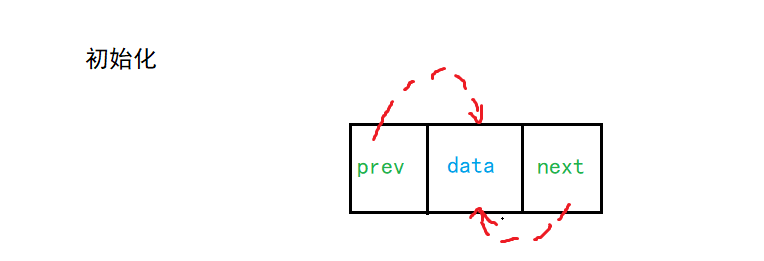
  • 初始化
    avatar
1
2
3
4
5
6
7
8
9
void DListInit(DListNode **ppHead)
{
assert(ppHead != NULL);
DListNode *pHead = (DListNOde*)malloc(sizeof(DListNode));
pHead->prev = pHead;
pHead->next = pHead;

*ppHead = pHead;
}
  • 清空链表
1
2
3
4
5
6
7
8
9
10
11
12
void DListClear(DListNode *pHead)
{
DListNode *cur = pHead->next;
DListNode *next;
while(cur != pHead)
{
next = cur->next;
free(cur);
}
pHead->next = pHead;
pHead->prev = pHead;
}
  • 销毁
1
2
3
4
5
6
7
void DListDestroy(DListNode **ppHead)
{
assert(ppHead != NULL);
DListClear(*ppHead);
free(*ppHead);
*ppHead = NULL;
}
  • [ ] 插入

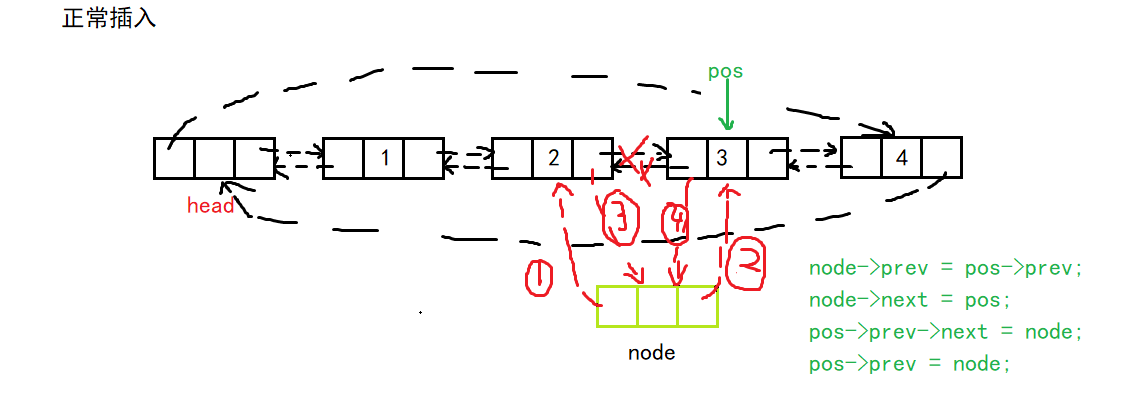
  • 正常插入
    avatar

1
2
3
4
5
6
7
8
9
10
11
void DListInsert(DListNode *pHead, DListNode *pos, int data)
{
(void)pHead;//仅仅是为了防止编译警告
DListNode *node = (DListNOde*)malloc(sizeof(DListNode));
node->data = data;

node->prev = pos->prev;
node->next = pos;
pos->prev->next = node;
pos->prev = node;
}
  • 头插
1
2
3
4
void DListPushFront(DListNode *pHead, int data)
{
DListInsert(pHead, pHead->next, data);
}
  • 尾插
1
2
3
4
void DListPushBack(DListNode *pHead, int data)
{
DListInsert(pHead,pHead,data);
}
  • [ ] 删除
    avatar

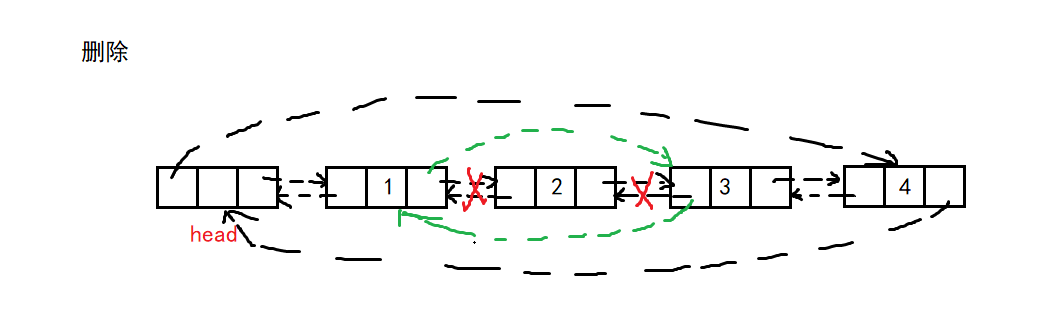
  • 正常删除

1
2
3
4
5
6
7
8
9
void DListErase(DListNode *pHead, DListNode *pos)
{
(void)pHead;
assert(pHead != NULL);
pos->prev->next = pos->next;
pos->next->prev = pos->prev;

free(pos);
}
  • 头删
1
2
3
4
void DListPopFront(DListNode *pHead)
{
DListErase(pHead,pHead->next);
}
  • 尾删
1
2
3
4
void DListPopBack(DListNode *pHead)
{
DListErase(pHead, pHead->prev);
}
-------------本文结束感谢您的阅读-------------

本文标题:链表的基本操作

文章作者:李煜哲

发布时间:2018年09月09日 - 15:09

最后更新:2018年09月30日 - 15:09

原始链接:http://yoursite.com/2018/09/09/链表的基本操作/

许可协议: 署名-非商业性使用-禁止演绎 4.0 国际 转载请保留原文链接及作者

觉得好的话就打赏一下吧